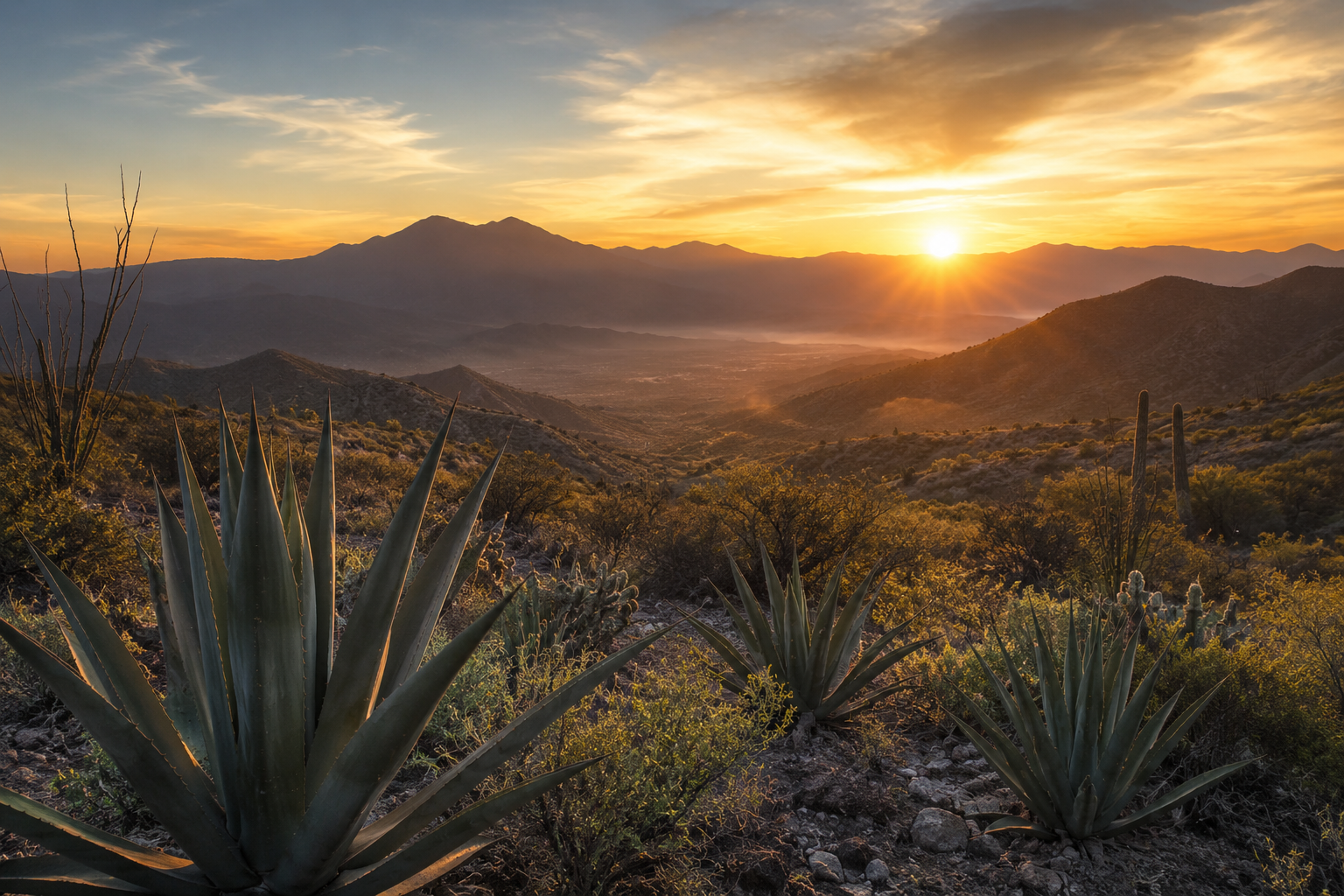
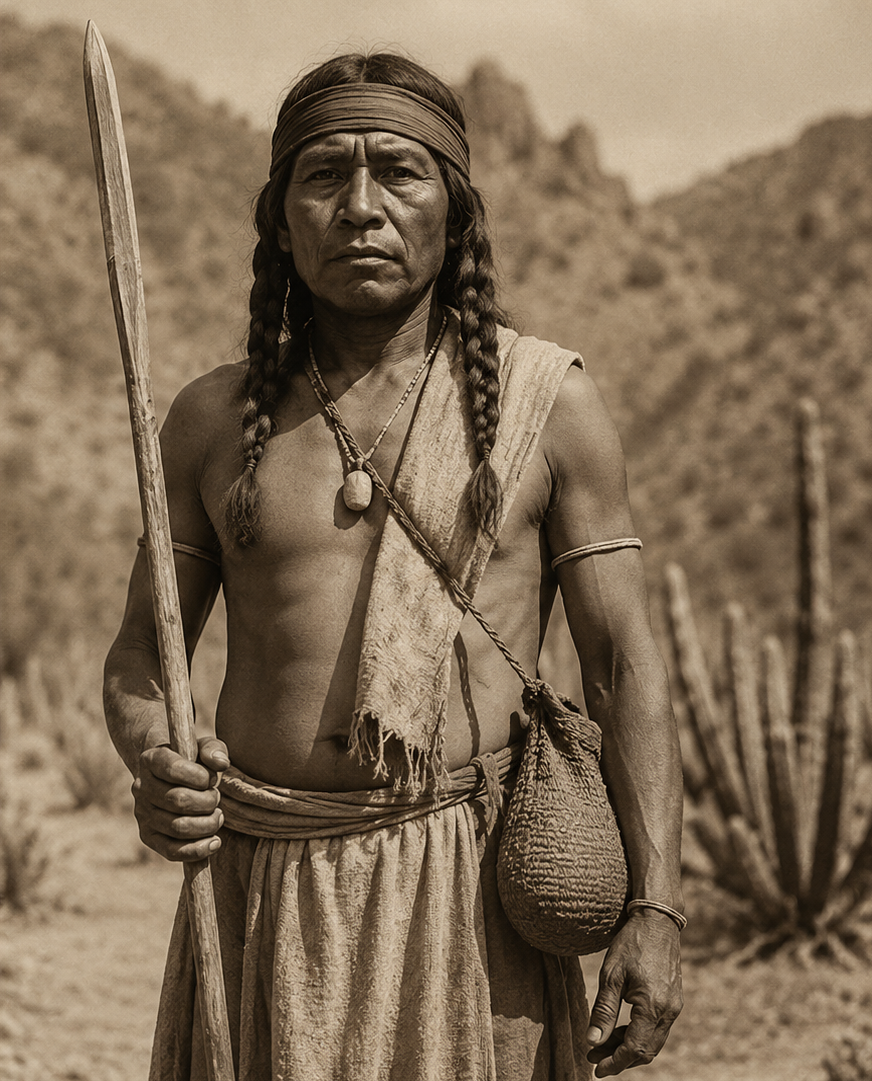
Opata The history of bacanora did not begin with distillation. It began much earlier, when agave grew freely among the mountains and deserts of Sonora.
For thousands of years, this remarkable plant sustained the lives of Indigenous peoples, providing food, fiber, medicine, beverages, and tools. From this ancestral legacy, bacanora would emerge centuries later.
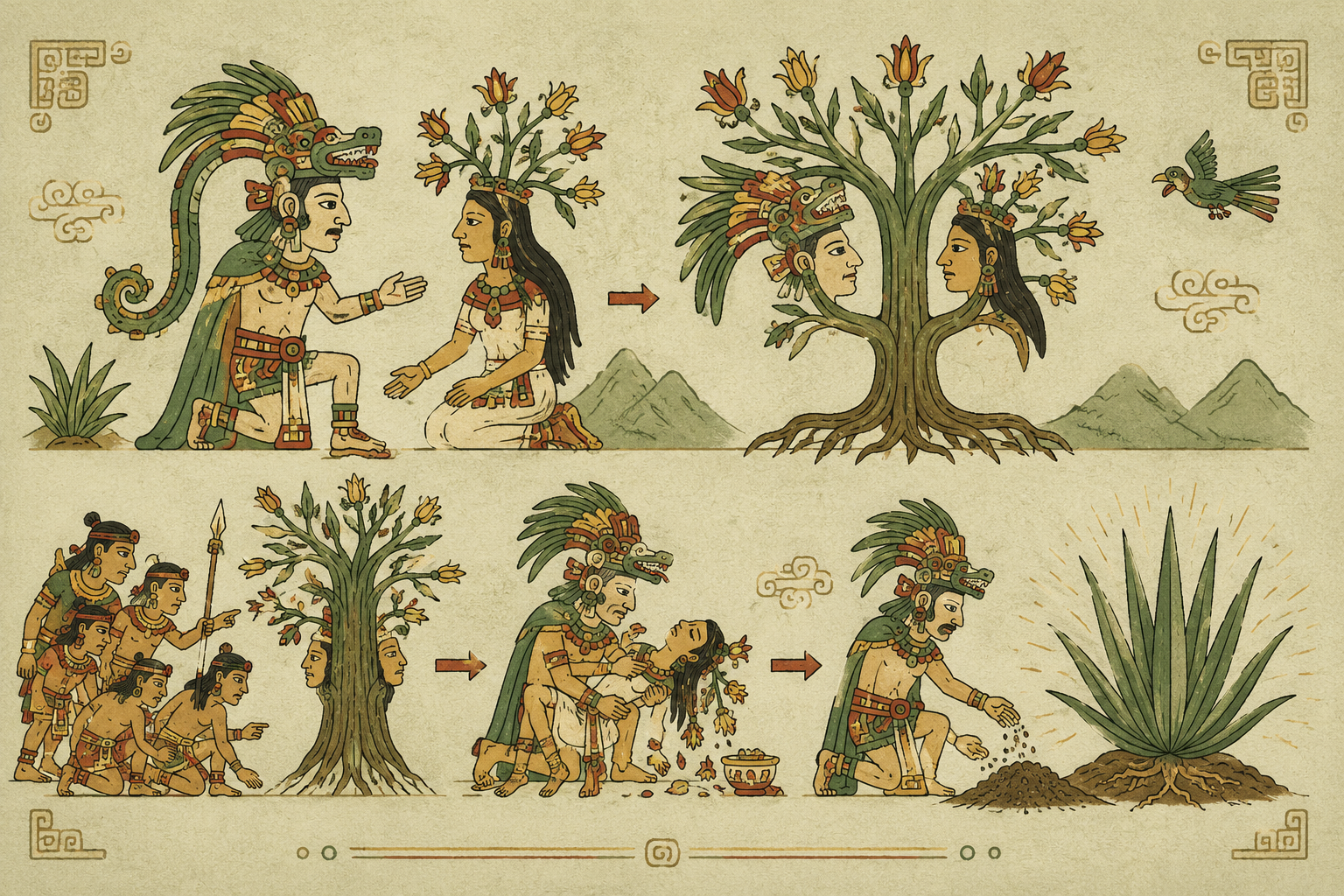
According to tradition, Quetzalcoatl descended to Earth in search of a gift that would bring happiness to humankind. Along his journey, he met Mayahuel, and they fell in love. To escape those who opposed their union, they transformed themselves into a tree, but they were discovered, and Mayahuel lost her life.
Heartbroken, Quetzalcoatl buried her remains, and from that place the first maguey plant emerged. Over time, the plant became a symbol of life and happiness.
Mayahuel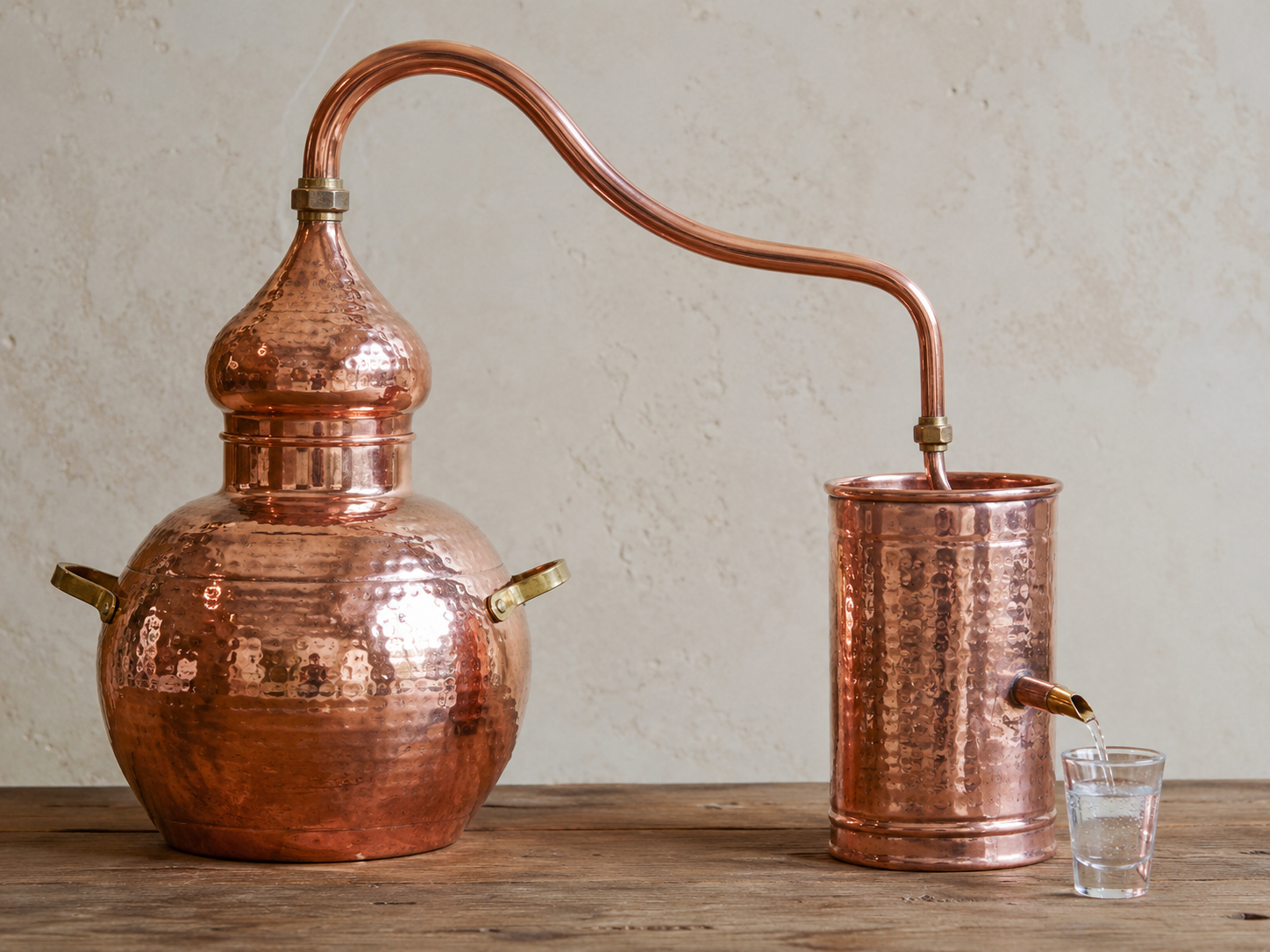
For many years, it was believed that distillation arrived with the Spanish and their copper stills. However, archaeological and historical evidence uncovered in recent decades suggests that some Indigenous peoples may have practiced rudimentary forms of distillation using clay vessels long before the arrival of Europeans.
Although the debate remains open, the origins of agave distillates may be far older than previously believed.
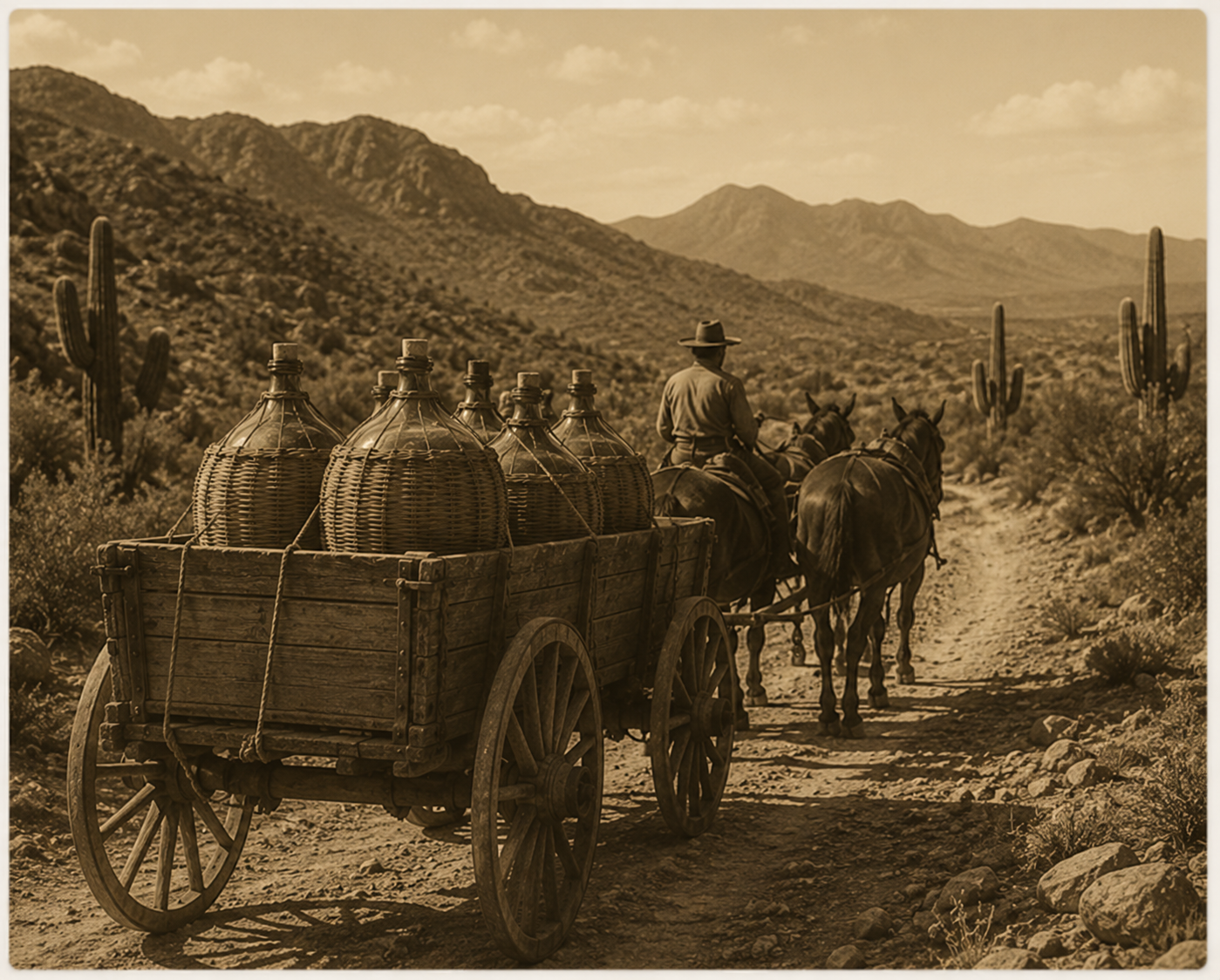
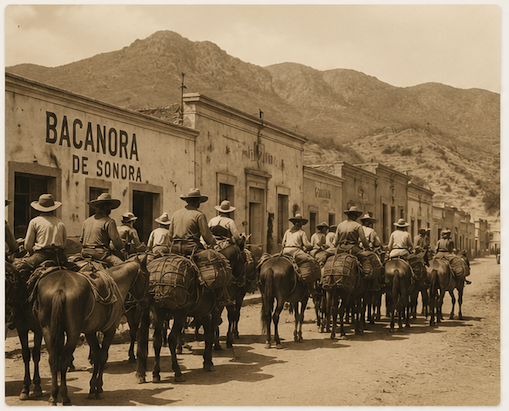
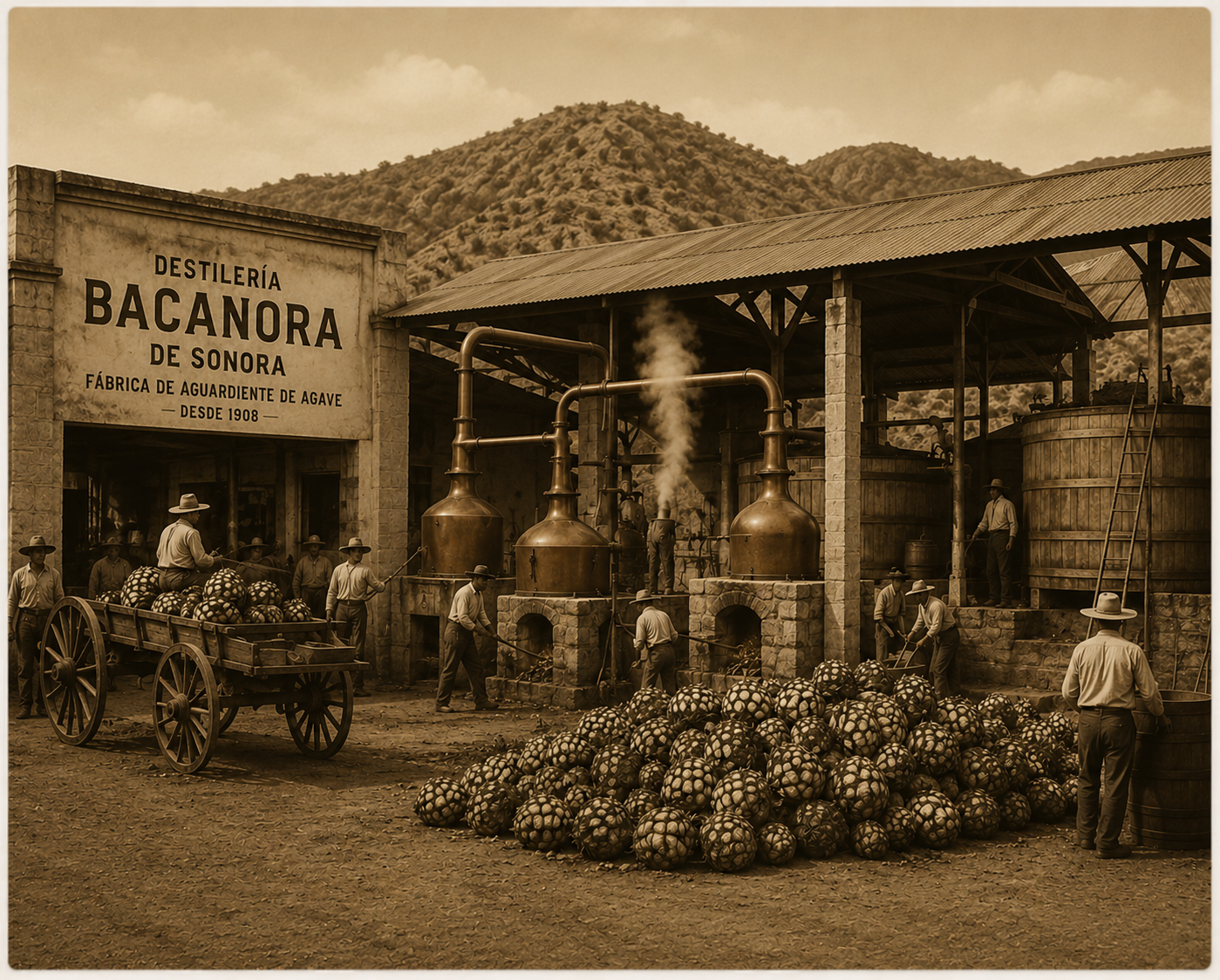
By the early twentieth century, bacanora had become one of the most highly regarded spirits in northwestern Mexico. It was traded throughout the region and played an important role in Sonora’s economy. Its production generated employment, supported local commerce, and contributed to the identity of numerous mountain communities.
Its reputation was also shaped by the close relationship between the desert, agave growers, and master distillers. In a land where resources are scarce and agave takes years to mature, every plant was valued and used with care. Through the knowledge and experience of those who cultivated and transformed the agave, bacanora developed a character of its own, reflecting the unique conditions of the Sonoran Sierra.
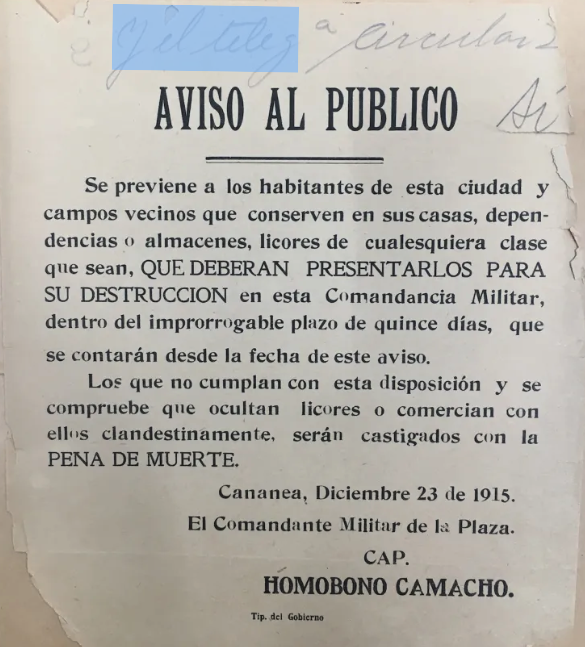
Everything changed in 1915. Prohibition brought one of the most prosperous chapters in bacanora's history to an abrupt end. During the decades that followed, the tradition survived in secrecy thanks to families who refused to let this Sonoran heritage disappear. What had once been a respected spirit became a product of survival, crafted with limited resources and far from the markets that had once supported its growth and development.
Destilería Horcones Palo Blanco
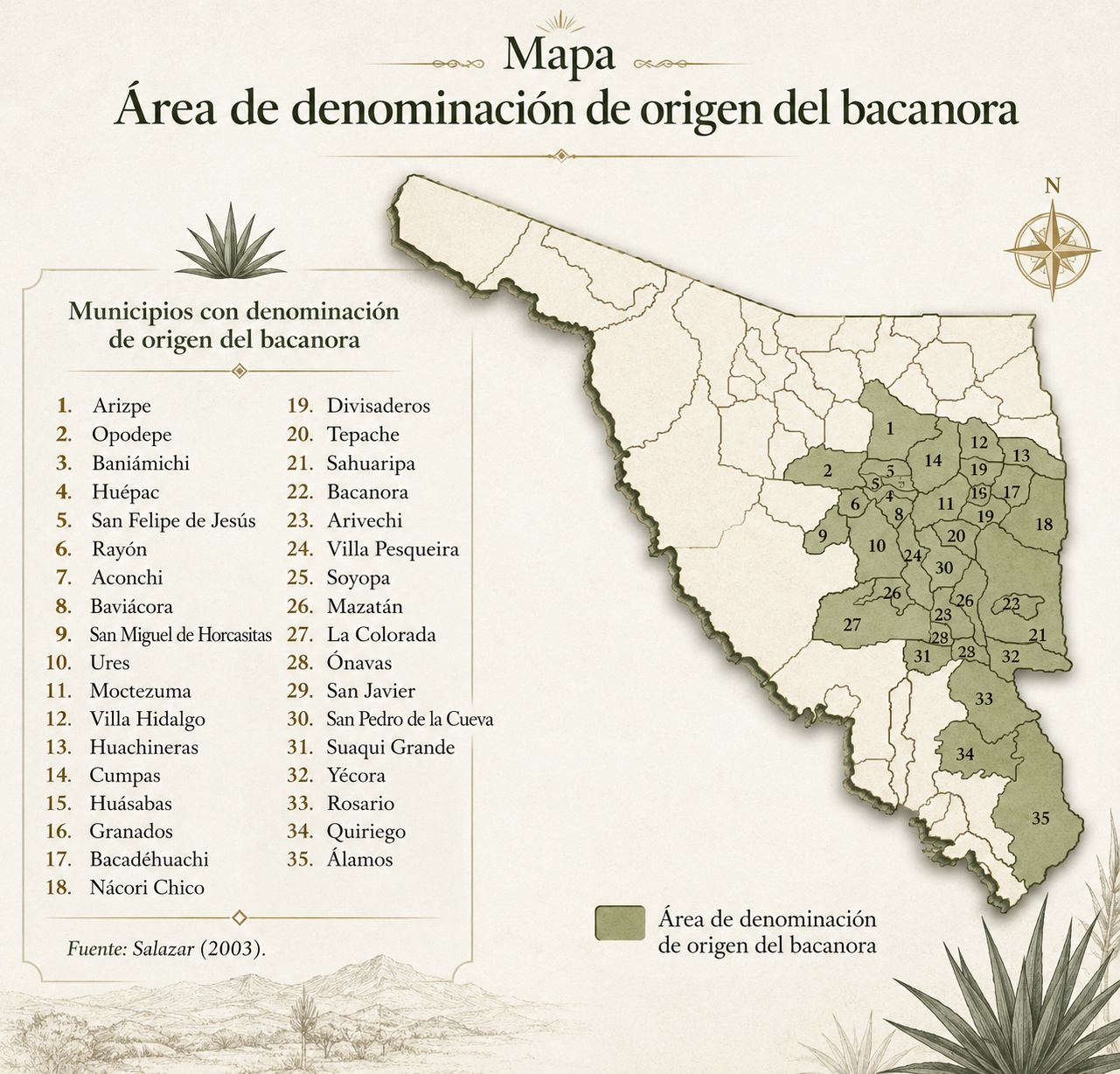
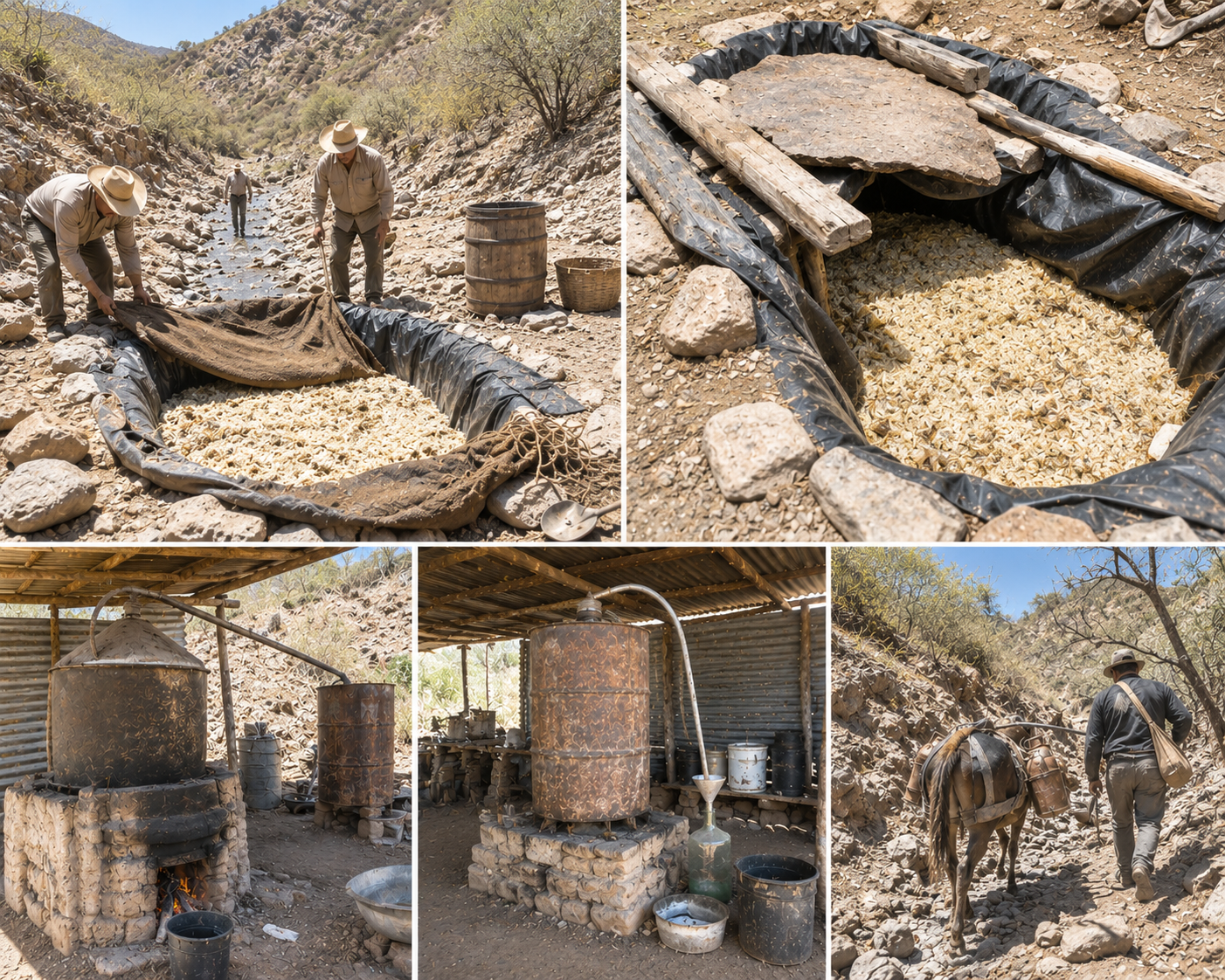
Prohibition forced producers to abandon large distilleries and retreat into the mountains. There, among canyons, streams, and remote camps, bacanora continued to be produced in secret. Thanks to the perseverance of Sonoran families, the knowledge of its production was passed down from generation to generation for decades. Their dedication preserved a tradition that might otherwise have disappeared and ultimately made possible the official recognition of bacanora and the establishment of its Denomination of Origin.
After more than seven decades of prohibition, the situation finally began to change. In 1992, the law prohibiting the production of bacanora in Sonora was repealed, allowing a tradition preserved for generations to return to legality. Several years later, on November 6, 2000, bacanora was granted its Denomination of Origin.
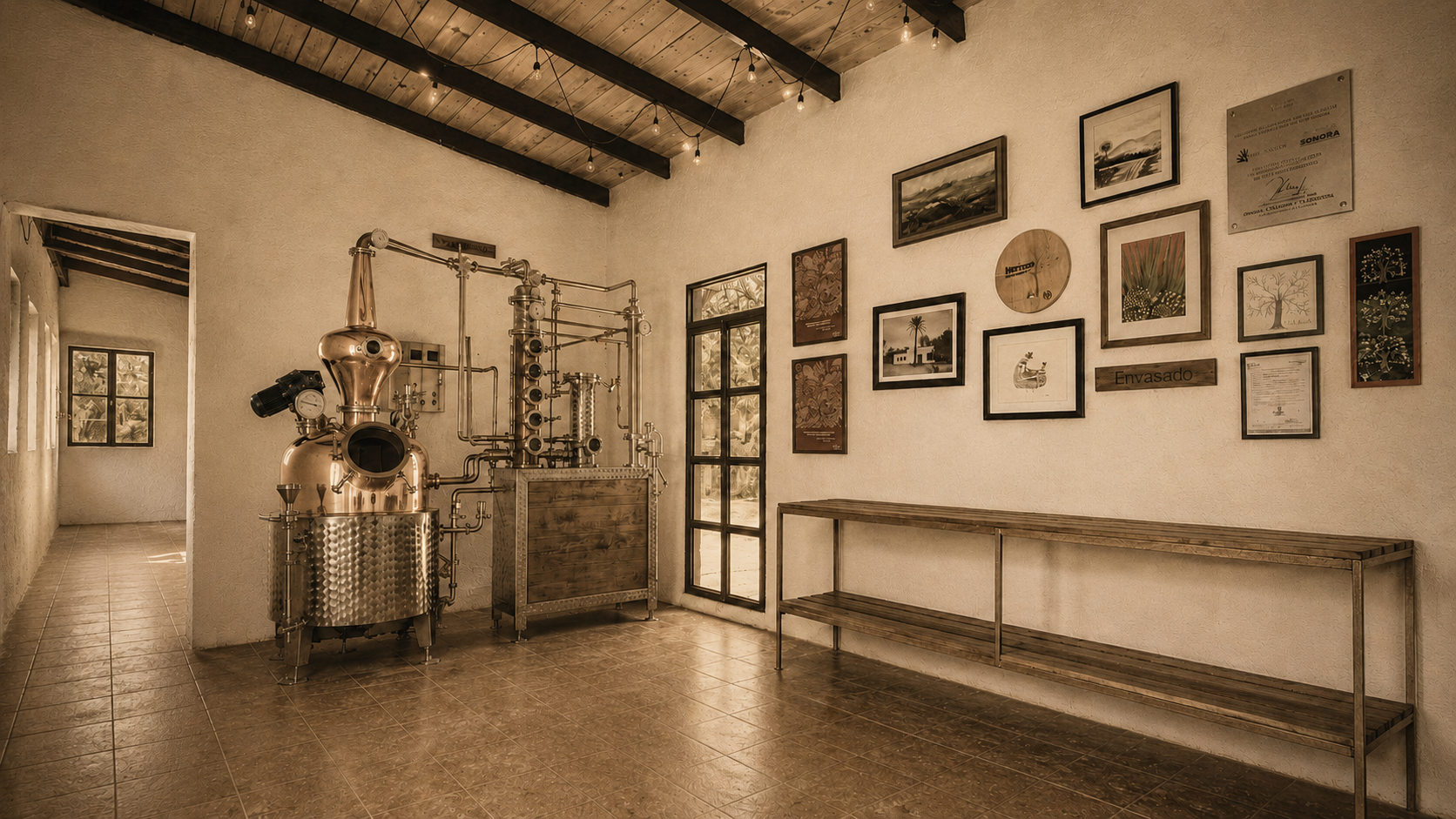
The revival of bacanora continued with the publication of official production standards, the strengthening of its Denomination of Origin, and the creation of the Bacanora Regulatory Council. From that point forward, distilleries gradually began modernizing their operations, adopting improved practices, equipment, and technologies that helped raise quality standards while preserving the spirit of traditional production.
After decades in which the priority had been simply to preserve the tradition under difficult circumstances, bacanora entered a new stage of development. Producers across Sonora renewed their pursuit of the quality and prestige that had once distinguished this spirit during its golden era, combining generations of inherited knowledge with the tools and advances of modern production.
Bacanora Palo Blanco honors the generations of Sonorans who refused to let this tradition disappear. Thanks to their dedication and perseverance, bacanora remains a living part of Sonora’s identity today.
Note: Some images were created using artificial intelligence to illustrate historical scenes related to bacanora and are intended for illustrative purposes only.